

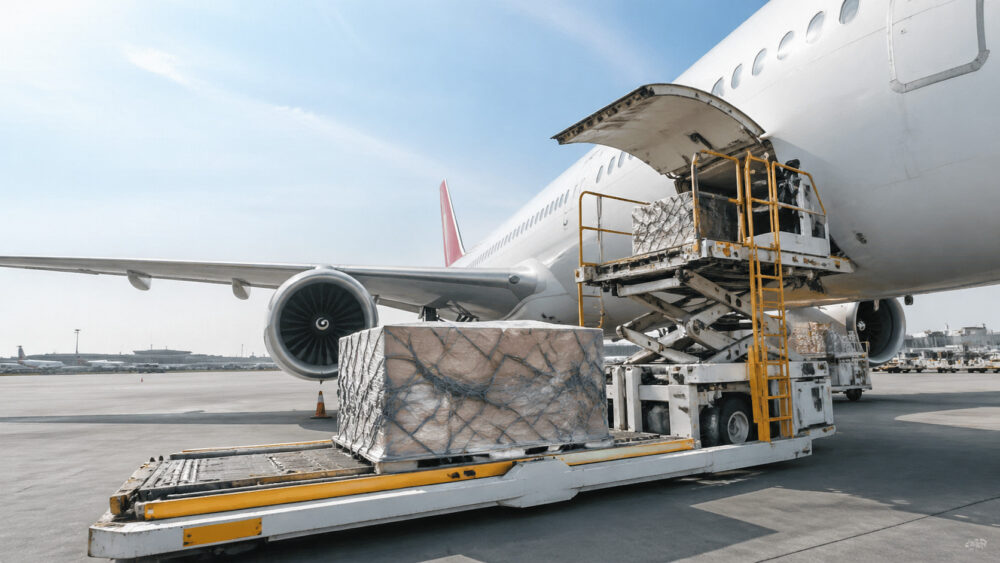
Fast delivery is often perceived as a simple promise: goods move quickly from one point to another. In reality, air freight is one of the most complex segments of global logistics, combining speed with strict coordination, regulations, and risk management.
Why Air Freight Matters in Global Trade
Air cargo plays a critical role in modern supply chains. Although it accounts for a very small share of global trade volume, it represents a significant share of global trade value. This is because it is primarily used for high-value and time-sensitive goods such as electronics, pharmaceuticals, and precision equipment.
Demand for air logistics continues to grow, especially with the expansion of e-commerce and global manufacturing. Businesses rely on fast delivery not only for convenience but also to maintain production cycles and meet customer expectations. In practice, this level of reliability is achieved through coordinated global networks and specialized operators, such as International Air Logistics Company AC Global Services, which manage complex, time-sensitive shipments across multiple regions.
The Real Process Behind Air Cargo
Air freight is far more complex than simply loading goods onto an aircraft. Each shipment goes through several key stages:
Planning and Routing
Specialists calculate optimal routes based on delivery time, cost, and available capacity. Many shipments pass through major logistics hubs, which helps optimize global routes and reduce transit time.
Documentation and Compliance
International air transport requires strict documentation. This includes customs declarations, safety certificates, and cargo classification. Even minor errors can lead to delays or additional inspections.
Handling and Security
Air cargo must comply with aviation safety standards. Sensitive shipments, such as pharmaceuticals, often require temperature-controlled conditions. Dangerous goods are subject to additional regulations and checks.
Ground Operations and Final Delivery
After arrival, cargo must go through customs clearance and be delivered to its final destination. This stage requires precise coordination between multiple logistics providers.
Why “Fast” Does Not Mean Simple
Speed in air logistics depends on multiple factors. Weather conditions, airport congestion, and customs procedures can all affect delivery times. Even with careful planning, unexpected disruptions may occur.
In recent years, some companies have shifted from sea freight to air freight to reduce delays. This shows that air logistics is often used as a strategic solution when reliability and speed are critical.
Technology and Transparency
Modern air logistics relies on digital tools to maintain control over shipments. Real-time tracking systems allow companies to monitor cargo at every stage. Automated processes help reduce errors and improve efficiency.
These technologies are essential because even small delays can affect entire supply chains, especially in industries that depend on precise timing.
Conclusion
Behind every fast delivery is a complex system that requires careful planning and execution. Air freight is not just about speed. It is a coordinated process that ensures goods move safely, efficiently, and on time across global markets.